Everest Base Camp Trek with Helicopter Return in 2026 Highlights:
- Breathaking 30-minute mountain flight to Lukla, the gateway to Everest.
- Explore vibrant Namche Bazaar (3, 440m), the heart of Sherpa culture.
- Visit Tengboche Monastery, the largest and most spiritual in the Khumbu region.
- Stand at Everest Base Camp (5, 364m) and witness the Khumbu Icefall up close.
- Hike to Kala Patthar (5, 555m) for the best panoramic views of Mt. Everest.
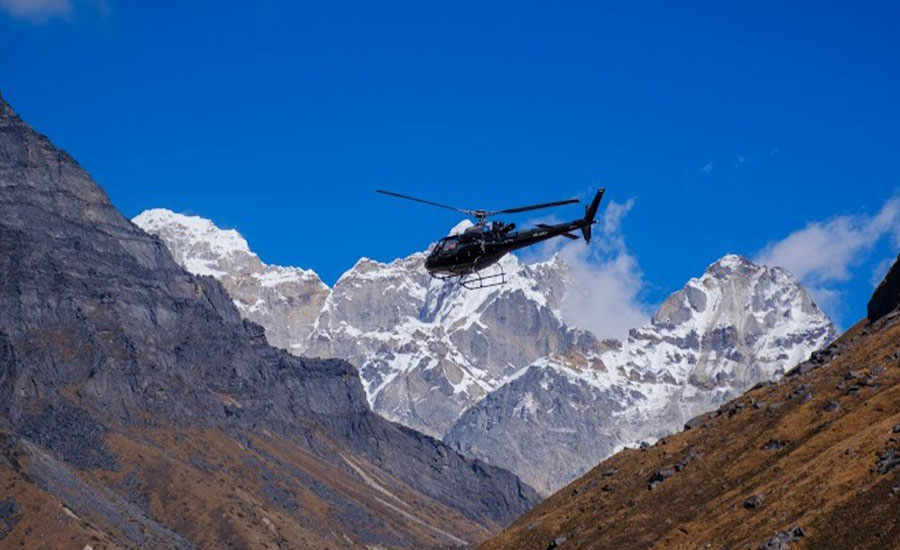
- Thrilling helicopter ride from Gorak Shep, offering breathtaking aerial views.
- View Everest, Lhotse, Nuptse, Ama Dablam & Thamserku from above.
- Experience Sherpa hospitality, their unique culture, and ancient traditions.
- Walk through Sagarmatha National Park, home to rare Himalayan wildlife.
- Enjoy a comfortable, time-saving helicopter return, maximizing adventure and convenience.
Everest Base Camp Trek with Helicopter Return Distance, Duration, and Altitude
| Trekking Route | Distance (Kilometers) | Duration (Hours) | Altitude (Meters) |
|---|
| Lukla to Phakding | 7.8 | 3 to 4 | 2610 |
| Phakding to Namche Bazaar | 10.4 | 5 to 6 | 3440 |
| Namche Bazaar to Tengboche | 9.2 | 5 to 6 | 3810 |
| Tengboche to Dingboche | 9.1 | 4 to 5 | 4410 |
| Dingboche to Lobuche | 7.9 | 4 to 5 | 4910 |
| Lobuche to Gorakshep | 4.5 | 3 to 4 | 5140 |
| Gorakshep to Everest Base Camp | 3.5 | 3 to 4 | 5364 |
| Gorakshep to Kalapatthar | 2 | 2 to 3 | 5545 |
Short Itinerary: Everest Base Camp Trek with Helicopter Return
| Day | Activity | Altitude | Walking Hours | Accommodation | Meals |
|---|
| Day 1 | Fly to Lukla & trek to Phakding | 2,600 m | 3–4 hrs | Lodge | Breakfast, Lunch, Dinner |
| Day 2 | Trek to Namche Bazaar via Jorsale & suspension bridges | 3,450 m | 5–6 hrs | Lodge | Breakfast, Lunch, Dinner |
| Day 3 | Acclimatization day – Hike to Everest View Hotel or explore Khumjung/Thame | 3,450 m | 4–5 hrs (optional) | Lodge | Breakfast, Lunch, Dinner |
| Day 4 | Trek to Tengboche & visit Tengboche Monastery | 3,870 m | 5–6 hrs | Lodge | Breakfast, Lunch, Dinner |
| Day 5 | Trek to Dingboche via Pangboche & Imja Khola Valley | 4,360 m | 6–7 hrs | Lodge | Breakfast, Lunch, Dinner |
| Day 6 | Acclimatization hike to Chhukung or ridge above Dingboche | 4,360 m | 4–5 hrs (optional) | Lodge | Breakfast, Lunch, Dinner |
| Day 7 | Trek to Lobuche via Khumbu Glacier & memorial sites | 4,940 m | 5–6 hrs | Lodge | Breakfast, Lunch, Dinner |
| Day 8 | Trek to Gorakshep & visit Everest Base Camp | 5,364 m | 6–7 hrs | Lodge | Breakfast, Lunch, Dinner |
| Day 9 | Sunrise hike to Kala Patthar, helicopter flight back to Kathmandu | 5,545 m → 1,335 m | 2–3 hrs (hike) | Hotel | Breakfast |
| Day 10 | Final departure – Transfer to Kathmandu International Airport | 1,335 m | – | – | – |
Everest Base Camp Trek with Helicopter Return Cost/ Price for 2025/2026
The cost of the Everest Base Camp Trek with Helicopter return to Kathmandu for 2025/2026 can vary based on several factors including the travel agency, trek duration, number of people in the group, package inclusions (accommodations, meals, permits, etc.), and additional services. Typically, the cost ranges from $3300 to $3550 per person, depending on the accommodations, meals, and facilities provided. Customizable tour packages can also be organized to meet specific interests.
Everest Base Camp Trek with Helicopter Return to Kathmandu Cost for 2025 and 2026
| Number of People | Cost Per Person (USD) |
|---|
| 1 | USD 3550 |
| 2-6 | USD 3400 |
| 7-10 | USD 3300 |
Best Time for the Everest Base Camp Trek with Helicopter Return
The best time for the Everest Base Camp Trek with helicopter return is during Nepal’s pre-monsoon spring (March to May) and post-monsoon autumn (September to November) seasons. These periods provide the most stable weather, crystal-clear skies, and safe flying conditions, ensuring trekkers enjoy both the hike to EBC and the thrilling helicopter ride back to Kathmandu or Lukla. Choosing the right season enhances not only the trekking experience but also guarantees panoramic aerial views of the Himalayas, including Mount Everest (8,849m).
Spring Season (March to May): Flowers and Clear Views
Spring is one of the most popular times to trek to Everest Base Camp. Days are mild, skies are generally clear, and the trails come alive with blooming rhododendrons and alpine flowers. With temperatures warmer at lower altitudes and manageable cold at higher elevations, it offers a comfortable trekking experience. Visibility is excellent, allowing breathtaking views of Mount Everest, Lhotse, Ama Dablam, and Nuptse throughout the journey. For photographers, this season offers vibrant landscapes and colorful contrast against the snowy peaks.
Autumn Season (September to November): Crisp Skies and Stability
Autumn is considered the peak trekking season in Nepal, especially for the Everest Base Camp trek. Following the summer monsoon, the skies clear up, leaving dramatic views of the Himalayas. Temperatures are pleasant, trails are dry, and mountain weather is at its most predictable. This season offers trekkers the best chance for uninterrupted views of the world’s highest mountains, making it ideal for both trekking and the helicopter return flight. Because of these perfect conditions, autumn is the busiest season for Everest trekking, so early booking is recommended.
Why Spring and Autumn Are the Best for Helicopter Flights
Stable Weather: Helicopter operations require clear skies and low wind conditions, which are most reliable in spring and autumn.
Maximum Visibility: Clear air offers stunning mountain panoramas for both trekkers and helicopter passengers.
Comfortable Temperatures: Avoiding extreme cold in winter and heavy rain in summer ensures a safer, more enjoyable trek.
Open Lodges and Services: Tea houses, trekking routes, and support facilities are fully operational during these seasons.
EBC Trek Return by Helicopter – Trek Difficulty Explained

High Altitude Challenges
- Maximum elevation: 5, 545m at Kala Patthar
- Common issues: shortness of breath, fatigue, risk of Acute Mountain Sickness (AMS)
- Acclimatization included at Namche Bazaar (3, 440m) and Dingboche (4,410m)
- Gradual ascent, hydration, and rest days essential for safety
Daily Walking Hours and Stamina
- Average walking: 5–7 hours per day
- Steep ascents and rocky descents on several trekking days
- Requires good physical stamina and endurance
- Training before the trek is highly recommended
Trail and Terrain Conditions
- Lower altitude: forests, rivers, and suspension bridges
- Mid-altitude: Sherpa villages, Buddhist monasteries, and cultural landscapes
- High altitude: rocky trails, glacial moraine near Lobuche and Gorak Shep
- Trekking poles and sturdy boots recommended for safety
Weather and Temperature Factors
- Weather in the Himalayas is unpredictable
- Above 4, 000m, temperatures drop below freezing at night
- Possible sudden changes: snow, wind, or cloudy conditions
- Layered clothing, insulated jackets, and proper gear are crucial
Facilities and Comfort on the Trail
- Accommodation in basic teahouses with limited facilities
- Hot showers, charging, and Wi-Fi available at extra cost
- Services may not always be reliable at higher altitudes
- Sherpa hospitality provides warmth and cultural richness
EBC Heli Return Trek Preparation – How to Get Ready
The Everest Base Camp Trek Return by Helicopter is a bucket-list adventure, but proper preparation is key to make it safe, enjoyable, and rewarding. Though the EBC Heli Return Trek saves time on the descent with a scenic helicopter flight, trekkers still face high altitude, 5–7 hours of daily walking, and basic facilities on the trail.
Fitness Training: Build stamina with cardio (running, cycling, swimming), strengthen legs with squats and lunges, and practice long hikes carrying a backpack.
Mental Readiness: Expect simple teahouse stays, unpredictable Himalayan weather, and remember that altitude can affect anyone. Patience and a positive mindset are essential.
Essential Gear: Quality trekking boots, layered clothing, sleeping bag, trekking poles, and a reliable backpack. Add a headlamp, power bank, water purification tablets, and reusable bottle.
Altitude Awareness: Learn AMS symptoms, stay hydrated, avoid alcohol, and consult your doctor about altitude medication if needed.
Travel Essentials: Valid insurance covering up to 6,000m and helicopter evacuation is mandatory. Required permits (TIMS and Sagarmatha National Park) are arranged by Himalayan Dream Team.
With the right preparation, the Everest Base Camp Heli Return Trek becomes achievable for most adventure lovers. At Himalayan Dream Team, we provide expert guides, logistics, and full support to make your Himalayan journey both safe and unforgettable.
Food and Accommodation on the EBC Trek with Helicopter Return
During the Everest Base Camp Trek Return by Helicopter, trekkers stay in local teahouses run by Sherpa families. Rooms are simple, usually with twin beds, warm blankets, and shared bathrooms. At higher altitudes, facilities are basic, with extra charges for hot showers, charging, and Wi-Fi.
Meals are served in the teahouse dining halls, offering a mix of Nepali, Tibetan, and international dishes. The staple Dal Bhat (rice, lentils, vegetables) provides the best energy for long trekking days, while trekkers can also enjoy soups, momos, noodles, pasta, and hot drinks. At higher elevations, menus become simpler but still filling and nutritious.
With Himalayan Dream Team, you’ll have reliable teahouse bookings, hygienic meals, and the cultural warmth of Sherpa hospitality, making your EBC Heli Return Trek both comfortable and memorable.
What to Pack for Everest Base Camp Trek with Helicopter Return
Embarking on the Everest Base Camp Trek with Helicopter Return is a once-in-a-lifetime experience, and being properly packed is key to enjoying it to the fullest. From the crisp mountain air to rapidly changing weather, your gear needs to support comfort, safety, and flexibility throughout the journey.
At Himalayan Dream Team, we provide all trekkers with a 75-liter duffel bag during the pre-trip briefing in Kathmandu. This bag is yours to keep and will be carried by our porters during the trek. For your day-to-day items, a personal daypack is essential.
Below is a complete guide to what you should bring. Keep in mind that layering is crucial, especially for the higher altitudes and colder seasons.
Core Trekking Essentials
Four-season sleeping bag (rated for cold temperatures)
Sleeping bag liner (for added warmth and hygiene)
Warm
, insulated down jacketComfortable daypack (35–45 liters) with a rain cover
Head & Face Gear
Sun cap or wide-brimmed hat
Warm woolen beanie or thermal hat
Neck gaiter or scarf for wind and dust protection
UV-protective sunglasses
Headlamp with extra batteries (vital for early hikes or power outages)
Upper Body Clothing
Moisture-wicking base layers (lightweight or thermal depending on season)
2 short-sleeve and 2 long-sleeve quick-dry trekking shirts
Mid-layer fleece or softshell jacket
Waterproof and windproof shell jacket
Lower Body Clothing
Thermal base layer for colder days
2 pairs of trekking pants
Lightweight pants or joggers for teahouse evenings
Waterproof shell pants
Optional: trekking shorts for warmer days
Gloves
Footwear
Wool or technical trekking socks (3–4 pairs)
Optional liner socks to reduce friction
Waterproof
, well-broken-in trekking bootsLightweight footwear for teahouse relaxation
Gaiters (to block dust or snow)
Ice cleats or microspikes (important during winter months)
Underwear & Sleepwear
Personal Care & First Aid
Our guides carry a first aid kit, but having your own small kit is highly recommended.
Sunscreen (SPF 30+)
Lip balm with sun protection
Basic ointment or antiseptic cream
Cough syrup (helpful for dry mountain air)
Mosquito repellent (useful at lower elevations)
Any prescribed medication you need regularly
Toiletries & Daily Use Items
Travel-sized toiletries
Quick-dry towel and pillowcase
Toilet paper (at least 2 rolls)
Water bottles and/or hydration bladder
Water purification tablets or UV purifier
Zip-lock or dry bags for electronics
, money, and important documentsHigh-energy snacks (protein bars
, trail mix, etc.)
Optional Extras
Trekking poles
Power bank or solar charger
Camera or smartphone with extra storage
Book
, playing cards, or journalPee funnel (for women)
Whistle for safety
Thermos for carrying hot drinks
Related Blogs on Everest Base Camp Trekking With Helicopter Return
Planning your Everest Base Camp Trek Return by Helicopter also means learning more about preparation, training, and alternative trekking options. To help you get fully ready for your adventure, explore our detailed guides below:
Everest Base Camp Trek Preparation – Everything you need to know about gear
, training, permits, and mindset before starting your journey.Can Kids Do the Everest Base Camp Trek? – A helpful guide for families considering the trek with children.
Alternative Routes for the Everest Base Camp Trek – Discover routes via Gokyo Lakes
, Three Passes, and other scenic trails.How to Train for the Everest Base Camp Hike – Fitness tips
, endurance training, and exercises to make your trek easier.Acclimatization for Everest Base Camp Trek – Learn why rest days and gradual ascent are crucial for safety at high altitude.
30 Tips for Trekking Everest Base Camp – Expert advice to make your trek smoother
, safer, and more enjoyable.40 Amazing Mount Everest Records
, Facts & Extremes You Need to Know – Fascinating Everest trivia that inspires every trekker.
With these resources, plus the Everest Base Camp Trek with Helicopter Return, you’ll have everything you need for a safe, well-prepared, and unforgettable Himalayan journey.